

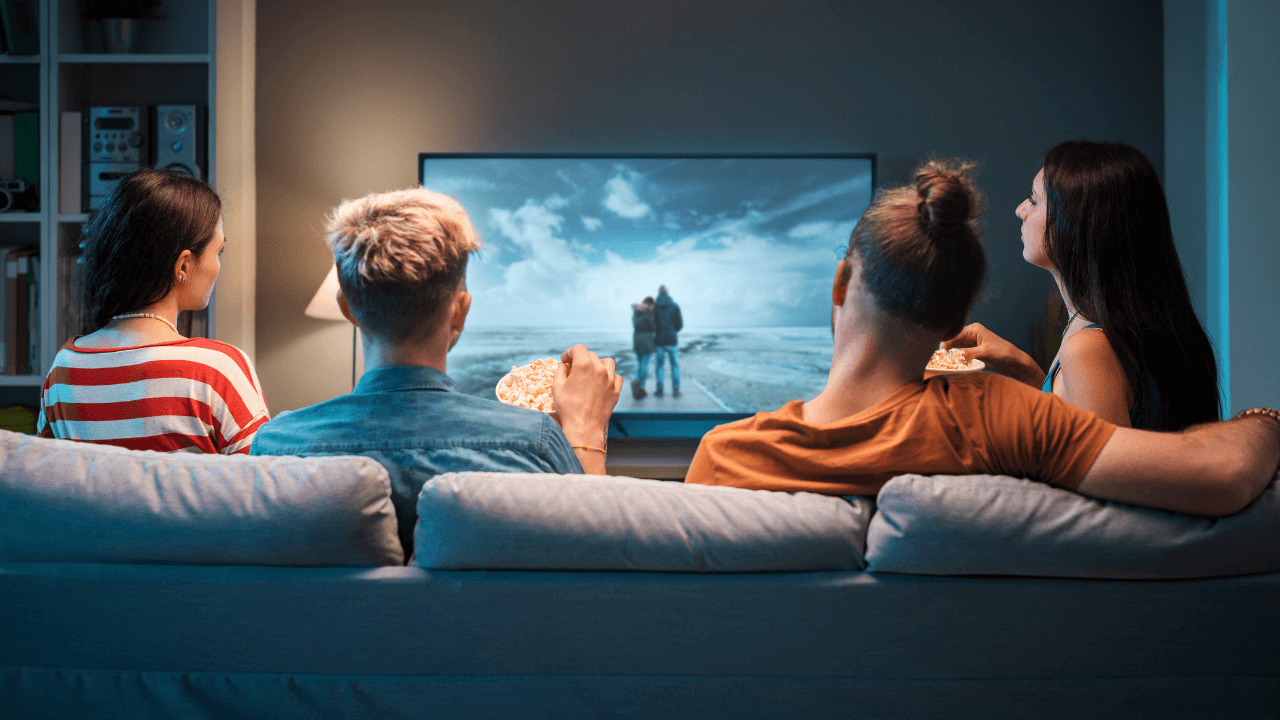
Watching television years ago worked in a very fixed way. A show started, viewers tuned in, and when it finished the channel continued with something else. Simple system. The problem came when you missed it. If that happened, the episode was just gone for you. But things started shifting slowly.
These days many households prefer watching television in a way that fits their own routine. Not the other way around. And during that shift, people searching for internet television often come across discussions around IPTV in Sweden while trying to understand how this type of viewing actually works.
At first the idea sounds technical. But the experience itself usually feels simple. Open a channel. Browse a list. Start watching. Then after a few days the whole system starts feeling normal.
Different types of content people enjoy streaming online
One thing viewers quickly notice is the amount of content available. Households often use internet television for different reasons. Some follow sports matches regularly. Others enjoy movies or television series during evenings.
Common viewing choices usually include:
- Live television channels for daily programs
- Sports broadcasts and tournaments
- Movie libraries available on demand
- Documentary or entertainment shows
Sometimes people begin with a single program they want to watch. But then they start browsing.
And browsing often leads to discovering completely different content they were not even looking for. It happens more often than expected.
Why internet speed quietly shapes the viewing experience
Internet television depends on connection quality. That part matters more than people realize at the beginning.
A stable connection usually means smooth playback with clear video quality. If the connection slows down occasionally, the stream might pause for a moment while loading.
Some viewers rarely notice this. Others might see buffering during busy network hours. But most households figure out small ways to improve the experience over time.
Sometimes moving the router closer to the device helps. Sometimes a wired connection works better. There is no single rule though. Every home setup is a little different.
Situations where flexible access becomes surprisingly useful
Flexible viewing starts making sense in everyday situations. For example, someone might begin watching a sports event on a large television screen. Later they continue following the match highlights on a phone or tablet.
Other households might open movie channels during relaxed weekend evenings. And sometimes people simply scroll through channels while looking for something interesting. It is that browsing freedom that many viewers enjoy. There is no pressure to follow a strict schedule anymore.
Observations people often make after using streaming for weeks
After a few weeks of using internet television, most viewers notice their habits changing slightly. Television no longer feels tied to specific hours. Programs can be explored whenever there is time.
During that stage, people researching streaming options sometimes see discussions about IPTV in Sweden, especially when comparing different ways households access television through internet connections. But the real change is more subtle.
Television simply becomes part of everyday routines again. Just in a slightly different form. A quick news update in the morning. A match in the evening. Maybe a movie during the weekend. Nothing dramatic really. Just television working around life instead of controlling it.