

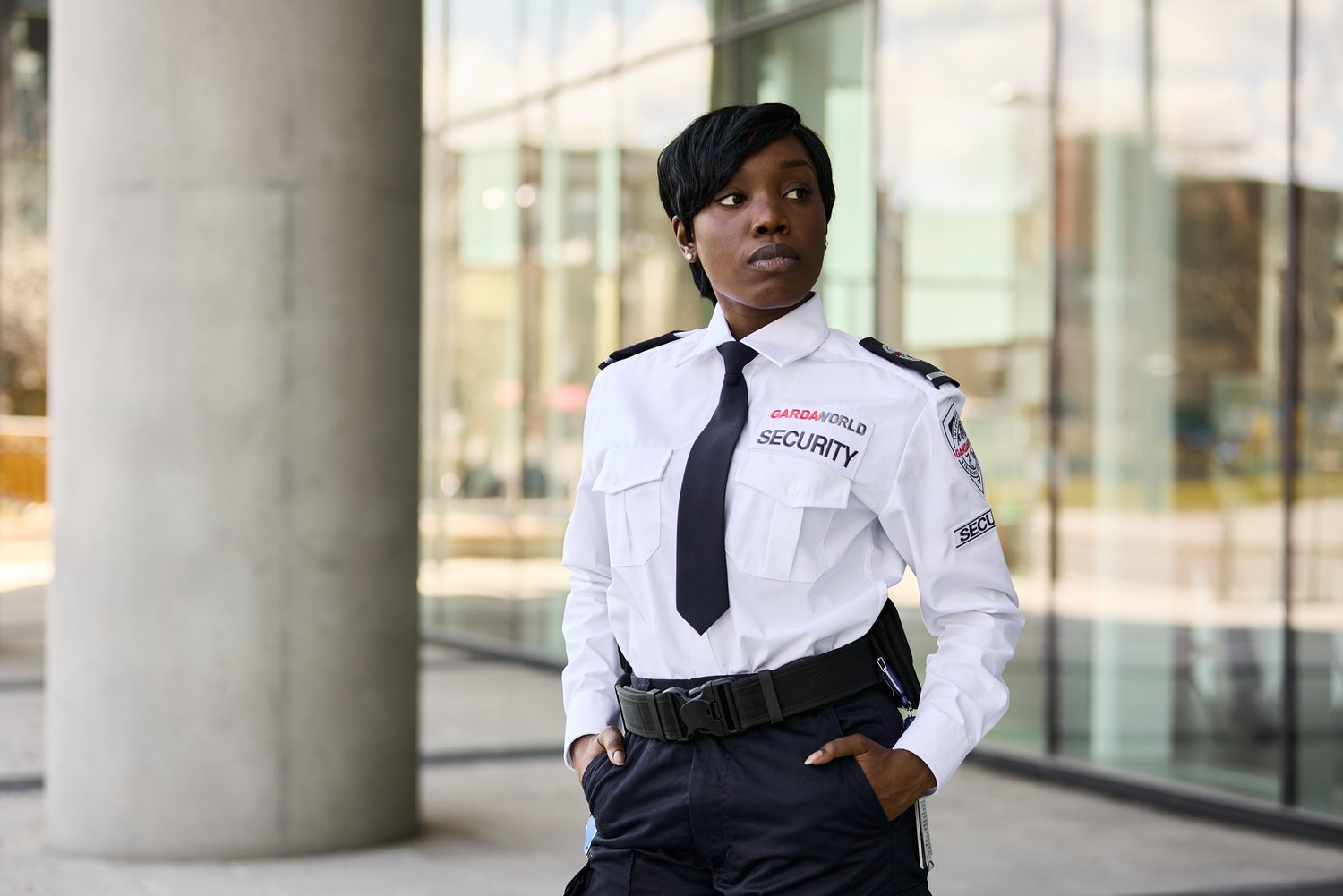
Large gatherings depend on controlled movement from the start. Entry points, guest arrivals, and busy corridors can quickly create pressure. For event planners considering executive protection los angeles, trained personnel provide focused support around sensitive movements. Their presence also helps venue staff manage changing conditions. Good preparation connects access control, crowd awareness, emergency response, and guest safety. Each part supports the next, creating steadier movement throughout a busy occasion.
Dedicated Planning Keeps Crowds Moving
Security planning starts with understanding how people travel. Guests rarely move evenly across a venue. Popular entrances can become crowded before other areas fill. A trained team can spot those pressure points early.
Useful planning includes:
- Marking clear routes for guest movement.
- Separating staff access from public areas.
- Positioning personnel near busy gathering points.
- Preparing backup routes before doors open.
This approach gives staff room to react. It also keeps small delays from spreading.
Entry Control Sets The Pace
A smooth arrival shapes the event experience. When checks slow down, queues begin forming behind them. Security personnel can adjust lanes when demand changes.
Simple measures can make that process easier:
- Credential checks remain clearly organized.
- Bag inspections follow one consistent process.
- Guests receive directions before reaching bottlenecks.
- Staff keep emergency exits unobstructed.
Rather than rushing arrivals, controlled pacing protects flow. That balance matters when hundreds enter together.
High-Profile Guests Need Focused Movement
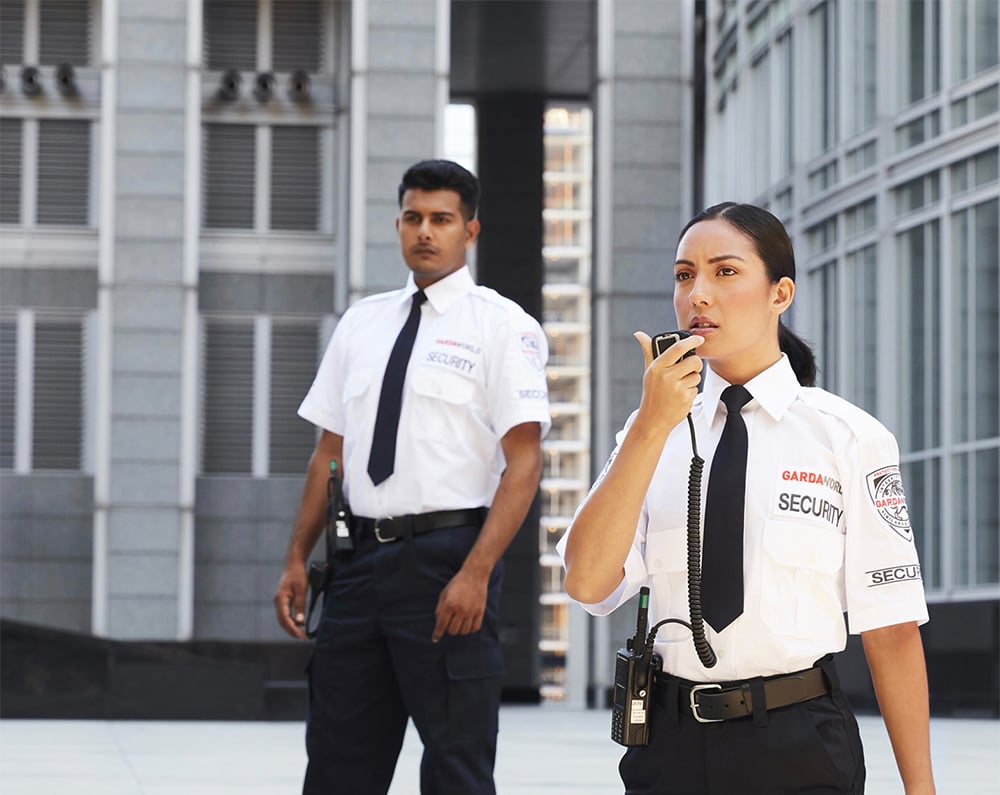
Certain guests require closer coordination during arrivals, executive protection los angeles services can support secure transfers between entrances, rooms, and vehicles. Planning starts with routes, timing, and nearby activity.
A protection detail can watch surrounding movement. Venue personnel can then focus on wider crowd needs. Both roles remain distinct, yet communication keeps their actions connected.
Communication Keeps Responses Connected
Good communication links separate security duties together. Radio messages should stay brief, specific, and useful. That helps personnel understand what changed without creating confusion.
For example, a blocked corridor needs quick attention. One team can redirect guests while another clears access. Supervisors can then confirm the route is usable. This sequence keeps the wider venue functioning during disruption.
Early Decisions Shape Safer Event Days
Security becomes more effective when planning starts early. An entrance map can reveal a crowded route before guests arrive. Staffing can then follow actual movement needs rather than assumptions.
That small planning detail carries wider value. A five-minute arrival delay can create pressure far beyond one doorway. When movement is planned carefully, security supports the event without dominating it. The strongest result is simple: guests notice the occasion, not the problems security prevented.
FAQs
What does dedicated event security handle?
Personnel can manage access, crowd movement, guest protection, and emergency coordination.
When should security planning begin?
Planning should begin before staffing, access, and venue arrangements become fixed.
Can security work with venue employees?
Yes. Defined responsibilities allow both groups to coordinate without duplicated effort.
Do prominent guests need separate planning?
Often, arrival routes, transfers, and departure points require closer coordination.